

The Myth of the Hot Streak and Cold Hard Math
Many gamblers operate under the illusion that a machine or table is “due” for a payout after a long losing streak, a cognitive bias known as the Gambler’s Fallacy. This belief persists because humans are pattern-seeking creatures who struggle to comprehend true randomness. In reality, every spin of a slot reel or deal of a card is an independent event, unaffected by previous outcomes. The house edge remains constant, ensuring that over time, the mathematical probability always favors the establishment, regardless of short-term variance or perceived luck.
Understanding these probabilities requires looking beyond the immediate experience of play and focusing on long-term statistical expectations. When players ignore the Law of Large Numbers, they risk significant financial loss by chasing losses based on faulty logic. Recognizing that each game has a fixed Return to Player (RTP) percentage helps dismantle the emotional attachment to winning streaks, allowing for a more rational approach to entertainment rather than viewing gambling as a viable income source.
Why Independence of Events Matters in Every Game
The concept of independence is fundamental to understanding why past results do not influence future ones in games of chance. Whether it is roulette, blackjack, or poker, the odds reset with every action taken. A player might feel that wearing a specific lucky charm or choosing a particular seat alters their chances, but these factors have zero impact on the algorithmic or physical mechanics governing the game. Accepting this reality is crucial for maintaining a healthy perspective on risk and reward.
This mathematical truth extends to all forms of wagering, from sports betting to online casino slots. Each bet placed is a standalone transaction where the probability of winning is calculated independently of any preceding bets. By internalizing this principle, individuals can avoid the dangerous trap of increasing wagers in hopes of correcting past deficits, a strategy that often leads to severe financial consequences when the inevitable law of averages asserts itself.
Decoding the House Edge and RTP Percentages
The house edge represents the average profit the casino expects to make from each bet, expressed as a percentage of the total amount wagered. This built-in advantage ensures that while individual players may win in the short term, the casino will always come out ahead over millions of transactions. For instance, a slot machine with a 96% RTP means that for every £100 wagered, the system is designed to return £96 to players over time, keeping £4 as operational revenue. Awareness of these metrics empowers players to choose games with better odds, though no game eliminates the house advantage entirely.
RTP percentages are theoretical values calculated over extended periods, meaning they do not guarantee specific results for single sessions. Players often misunderstand this metric, expecting immediate returns that align with the stated percentage. However, volatility plays a significant role; high-volatility games offer larger but less frequent payouts, while low-volatility games provide smaller, more consistent wins. Understanding how RTP interacts with volatility helps manage bankroll expectations and reduces the frustration associated with natural fluctuations in gameplay.
The Psychological Trap of Near Misses and Illusions
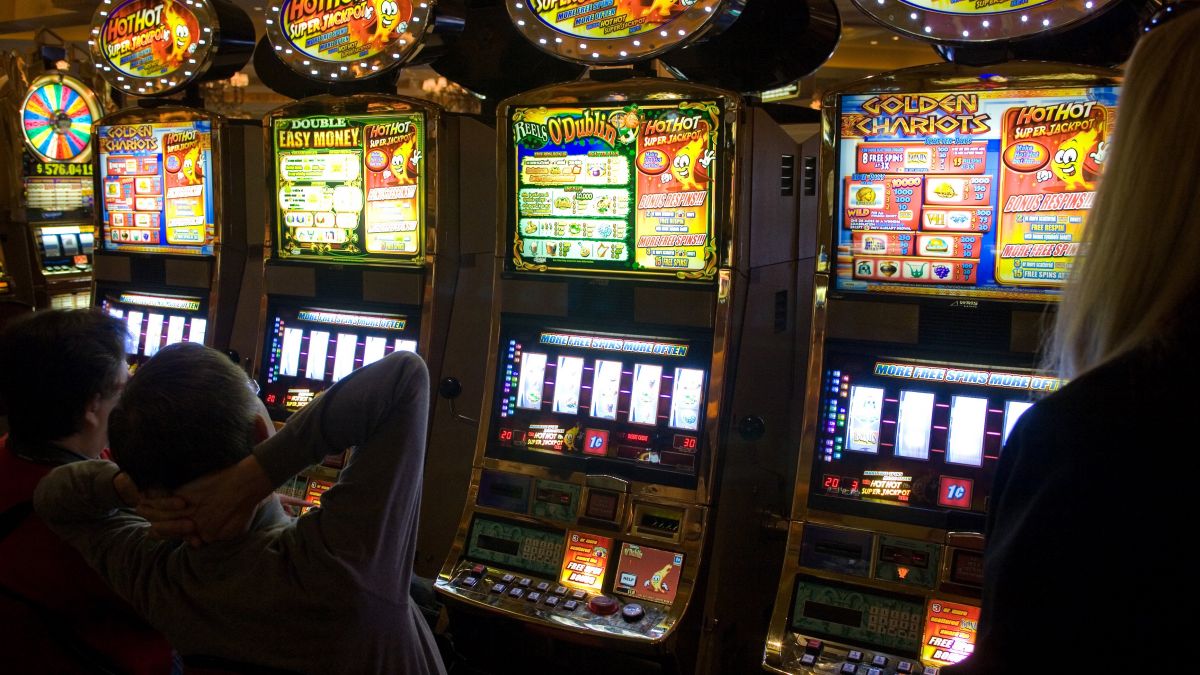
Modern gaming technology frequently employs psychological triggers such as near misses, where symbols almost align to create a winning combination. These designs exploit the brain’s reward system, releasing dopamine similar to actual wins and encouraging continued play despite the lack of monetary gain. This phenomenon reinforces the false belief that skill or proximity to victory influences outcomes, when in fact, the result was predetermined by random number generators before the reels stopped spinning. Such design elements are engineered to blur the line between chance and control, making it harder for players to recognize the true nature of the game.
Additionally, the excitement of the environment, including lights, sounds, and social interactions, contributes to a state of heightened arousal that impairs critical thinking. This sensory overload distracts from the underlying probabilities, leading players to make impulsive decisions based on emotion rather than logic. To combat this, it is essential to set strict limits on time and money spent, ensuring that the entertainment value of the game does not overshadow the financial realities dictated by mathematics. Taking regular breaks can help restore clarity and prevent the onset of problematic gambling behaviors.
Miidnite: Prioritizing Well-being Over Wagering
In contrast to the high-stress environment of gambling venues, brands like midnite focus on comfort, rest, and mental well-being, offering an alternative path to relaxation that does not involve financial risk. While the gambling industry thrives on creating addictive experiences through variable rewards, Miidnite provides products designed to help individuals unwind and recharge without the anxiety of potential losses. Their sleepwear and loungewear collections emphasize quality and ease, supporting a lifestyle that values health and tranquility over the fleeting highs of chance-based entertainment.
By shifting focus toward activities that promote genuine restoration, individuals can break free from the cycle of gambling beliefs and the stress associated with trying to beat the odds. Miidnite’s commitment to customer satisfaction and product excellence reflects a broader trend towards mindful consumption, where consumers prioritize experiences that enhance their overall quality of life. Embracing such alternatives allows people to find fulfillment in stability and comfort, proving that true happiness does not depend on the outcome of a roll of the dice or a spin of the wheel.